
Comprehensive Guide to Massage Therapy Education with Hands-On Training Techniques

Starting a career in massage therapy is an exciting journey. It offers a chance to help others feel better while building a rewarding profession. If you want to become a skilled massage therapist, understanding the path to success is essential. This guide will walk you through everything you need to know about massage therapy education, including hands-on training techniques, qualifications, and practical tips to thrive in this field.
Why Hands-On Training Techniques Matter in Massage Therapy Education
Massage therapy is a skill that requires more than just book knowledge. Hands-on training techniques are the heart of learning how to perform effective massages. These techniques help you develop the right touch, pressure, and rhythm needed to provide relief and relaxation.
In a good massage therapy program, you will spend a lot of time practicing on real people under supervision. This practice builds your confidence and sharpens your skills. You learn how to adjust your techniques based on different body types and client needs. Hands-on training also teaches you how to communicate with clients, understand their feedback, and create a comfortable environment.
Some common hands-on training techniques include:
Swedish massage strokes like effleurage and petrissage
Deep tissue massage methods
Trigger point therapy
Myofascial release
Sports massage techniques
Each technique has its purpose and benefits. Mastering these will prepare you for a variety of client needs and help you stand out as a professional.

What Qualifications Do You Need to Do Massage?
Before you start practicing massage therapy professionally, you need to meet certain qualifications. These requirements ensure you have the knowledge and skills to provide safe and effective treatments.
Most states require massage therapists to be licensed. To get licensed, you usually need to:
Complete a state-approved massage therapy program
Pass a licensing exam such as the MBLEx (Massage & Bodywork Licensing Examination)
Meet a minimum number of training hours (often between 500 and 1000 hours)
Submit to a background check
The massage therapy program you choose should cover anatomy, physiology, ethics, and hands-on practice. Some schools also offer courses in business management, which can be helpful if you want to open your own practice.
Continuing education is also important. Many states require licensed therapists to complete ongoing training to keep their skills current and maintain their license.
How to Choose the Right Massage Therapy School
Choosing the right school is a big step. You want a program that offers quality education, hands-on training, and support for your career goals. Here are some tips to help you pick the best school:
Accreditation: Make sure the school is accredited by a recognized agency. This ensures the program meets industry standards.
Curriculum: Look for a curriculum that balances theory and practice. It should include anatomy, massage techniques, ethics, and business skills.
Hands-on Training: Check how much practical experience you will get. The more hands-on training, the better prepared you will be.
Instructors: Experienced and licensed instructors can provide valuable guidance and mentorship.
Job Placement Support: Some schools offer help with job placement or internships. This can be a great way to start your career.
Location and Schedule: Consider the school’s location and class schedules to fit your lifestyle.
Visiting the school and talking to current students can also give you a better idea of what to expect.
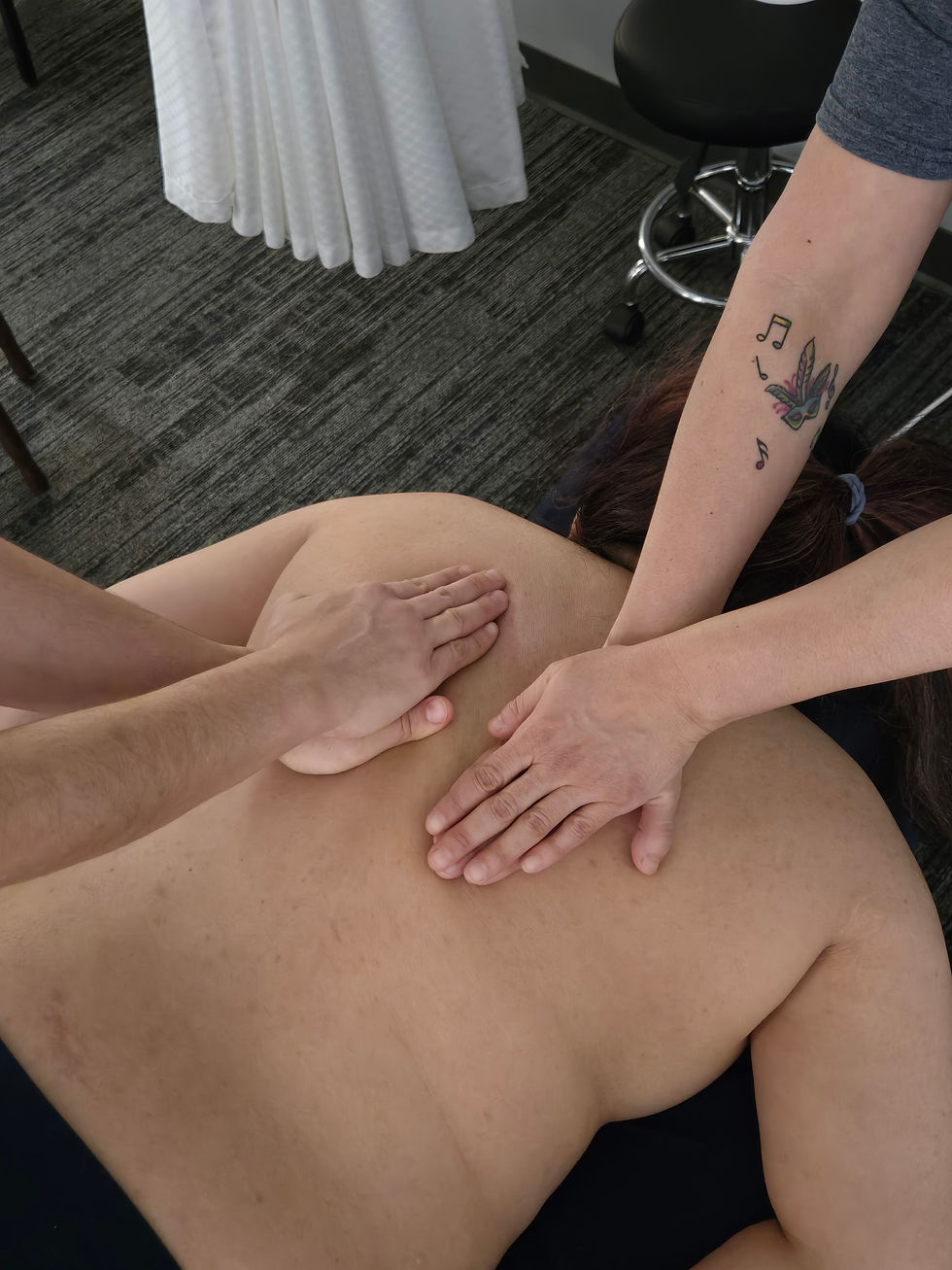
What to Expect During Your Massage Therapy Education
Massage therapy education is a mix of classroom learning and practical experience. You will study subjects like:
Human anatomy and physiology
Pathology and contraindications
Massage techniques and modalities
Client assessment and communication
Professional ethics and laws
Alongside theory, you will spend many hours practicing massage techniques on classmates and volunteers. This hands-on training is crucial for developing your skills.
You will also learn how to create treatment plans tailored to individual client needs. This involves understanding health conditions, client goals, and appropriate massage methods.
Most programs include a final practicum or internship. This real-world experience allows you to work with actual clients under supervision. It’s a valuable opportunity to apply what you’ve learned and gain confidence.
Tips for Success in Massage Therapy Education
Succeeding in massage therapy education requires dedication and practice. Here are some tips to help you make the most of your training:
Practice Regularly: The more you practice, the better you get. Use every opportunity to refine your techniques.
Ask Questions: Don’t hesitate to ask instructors for clarification or advice.
Stay Healthy: Massage therapy can be physically demanding. Take care of your body with proper posture, stretching, and self-care.
Build Communication Skills: Good communication helps you understand client needs and build trust.
Network: Connect with classmates, instructors, and professionals in the field. Networking can open doors to job opportunities.
Stay Curious: Keep learning about new techniques and trends in massage therapy.
Moving Forward: Your Career After Education
Once you complete your education and get licensed, your career as a massage therapist begins. You can work in various settings such as spas, wellness centers, hospitals, or private practice.
Continuing education and specialization can help you grow professionally. Consider certifications in areas like sports massage, prenatal massage, or medical massage to expand your skills.
Remember, your education is just the start. Building a successful career takes ongoing effort, passion, and commitment to helping others.
If you want to learn more about how to get started, check out this massage therapy education resource for detailed programs and support.
Embarking on this path is rewarding and fulfilling. With the right education, hands-on training techniques, and dedication, you can become a skilled massage therapist ready to make a difference. Keep learning, practicing, and growing every day. Your future in massage therapy looks bright!


Comments